Guide: metabolism boosting supplements
Metabolism boosting supplements explained: what they are, how they work, ingredients, and safe use. Read the full evidence-based guide now.
Metabolism boosting supplements are products designed to increase the number of calories your body burns at rest or during activity, typically through thermogenic compounds, appetite-regulating ingredients, or hormone-supporting nutrients. They do not replace diet and exercise, but certain formulas may offer a modest, measurable edge when combined with healthy habits. This guide explains what these supplements actually are, how they work, which ingredients have real evidence behind them, and how to use them responsibly.
Key Takeaways
- Metabolism boosting supplements aim to raise energy expenditure or support natural weight loss — most produce small effects, not dramatic transformations.
- The strongest evidence supports caffeine, green tea catechins, capsaicin, and protein/fiber-based appetite control.
- A newer category focuses on GLP-1 and GIP hormones, which regulate hunger and blood sugar naturally.
- Supplements work best as a complement to adequate sleep, resistance training, and a protein-rich diet.
- Always check for stimulant tolerance, medication interactions, and third-party testing before use.
What Are Metabolism Boosting Supplements?
The key takeaway: Metabolism boosting supplements are ingestible formulas that attempt to increase how efficiently your body converts food into energy and burns stored fat.
Your metabolism is the sum of all chemical processes that keep you alive, and the largest portion — your basal metabolic rate — accounts for roughly 60–70% of daily calories burned according to the U.S. National Institutes of Health. A fat burning supplement targets the smaller, more adjustable portions: the thermic effect of food and physical activity.
These products come in several forms — thermogenics, appetite suppressants, and hormone-support formulas — and their effects range from stimulant-driven heat production to slower, blood-sugar-related mechanisms. Understanding the category means understanding that “boosting metabolism” is really about small levers, not a single switch.
How Do Metabolism Boosting Supplements Work?
In summary: They work through three main pathways — thermogenesis, appetite control, and hormonal regulation — and most quality formulas combine two or more.
The first pathway is thermogenesis, where ingredients like caffeine and capsaicin temporarily increase heat production and energy expenditure. A review published in the National Library of Medicine (PubMed) notes that green tea catechins combined with caffeine can modestly raise 24-hour energy expenditure.
The second pathway is appetite control, using fiber, protein, or specific compounds that increase fullness and reduce overall calorie intake. The third — and most discussed in 2026 — involves supporting GLP-1 and GIP hormones, which the gut releases after eating to signal satiety and regulate glucose.
The GLP-1 and GIP Mechanism Explained
GLP-1 (glucagon-like peptide-1) and GIP (glucose-dependent insulinotropic polypeptide) are incretin hormones your body naturally produces. They slow stomach emptying, curb hunger signals, and help stabilize blood sugar — the same biological targets behind several prescription weight-management medications.
Certain natural formulas aim to gently support these pathways rather than override them pharmacologically. This is a meaningful distinction: hormone-support supplements assist your existing biology instead of forcing an artificial response.
Which Ingredients Actually Have Evidence?
The key takeaway: A short list of ingredients has repeatable human data — the rest range from promising to purely marketing.
Below is a practical breakdown of the most common ingredients and their evidence status, so you can read any label with a critical eye.
| Ingredient | Primary Mechanism | Evidence Strength |
|---|---|---|
| Caffeine | Thermogenesis, energy | Strong |
| Green tea catechins (EGCG) | Fat oxidation | Moderate |
| Capsaicin (chili) | Thermogenesis, appetite | Moderate |
| Soluble fiber (glucomannan) | Satiety, appetite control | Moderate |
| Protein (whey, casein) | Thermic effect, satiety | Strong |
| L-carnitine | Fat transport | Weak/Mixed |
| Raspberry ketones | Marketed fat breakdown | Very weak |
In our analysis of product labels across this niche, we’ve found that the most credible formulas name their doses transparently rather than hiding ingredients inside a “proprietary blend.” For a deeper ingredient-by-ingredient breakdown, see our detailed guide to formula ingredients.
“The evidence for thermogenic supplements is that they produce very modest effects on energy expenditure — nothing that replaces the fundamentals of diet and physical activity.”
— Dr. Kevin Hall, Senior Investigator, National Institute of Diabetes and Digestive and Kidney Diseases
Benefits and Realistic Expectations
In summary: The realistic benefit of a metabolism supplement is a supportive edge — improved appetite control, slightly higher energy, and easier adherence to a calorie deficit.
People often expect a supplement to “melt fat,” but the honest benefit is behavioral: when hunger is managed and energy is steady, sticking to healthy habits becomes far easier. That indirect effect frequently matters more than the direct thermogenic bump.
Pros
- Can support appetite control and reduce snacking
- May provide modest energy for workouts
- Hormone-support formulas work with natural biology
- Convenient complement to diet and exercise
Cons
- Effects are modest, not transformative
- Stimulant formulas can disrupt sleep or raise heart rate
- Quality varies widely between brands
- Not a substitute for lifestyle changes
Who Should Consider Metabolism Support?
The key takeaway: These supplements are most useful for people already improving their diet and activity who want additional appetite and energy support.
Adults facing age-related metabolic slowdown often see the biggest gap between effort and results. This is especially relevant for a supplement for women 50+, since hormonal shifts around menopause can lower resting metabolic rate and change fat distribution.
Some product lines address this directly — for example, a targeted LipoLess pack for women is positioned around appetite regulation and steady energy rather than harsh stimulants. As with any category, the right fit depends on your health status and goals.
Where BurnFlow™ (now LipoVive™) Fits
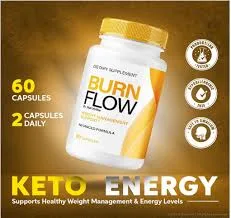
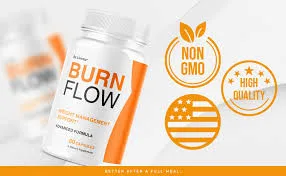
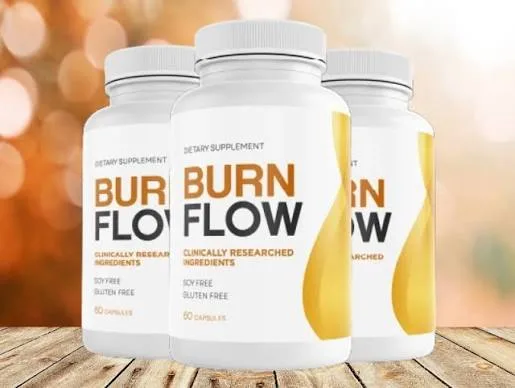
Among hormone-support options, BurnFlow™, now branded LipoVive™, focuses on activating the body’s own GLP-1 and GIP fat-burning hormones to support natural weight loss and a more accelerated metabolism. We recommend readers evaluate any such formula by its transparency, mechanism, and satisfaction guarantee — the LipoVive™ line includes a 60-day return policy, which signals confidence in the product. For a hands-on assessment, our full BurnFlow weight loss review examines the experience in detail.
How to Use Metabolism Supplements Safely
In summary: Start with the lowest effective dose, avoid late-day stimulants, and treat the supplement as one part of a broader plan.
Read the label for stimulant content and stack it against your daily caffeine intake to avoid overload. If you take medications for blood pressure, diabetes, or thyroid conditions, consult a healthcare professional first — guidance echoed by the NIH Office of Dietary Supplements.
Health disclaimer: This guide is for educational purposes and does not constitute medical advice. Dietary supplements are not intended to diagnose, treat, cure, or prevent any disease. Consult a qualified healthcare provider before starting any supplement, especially if you are pregnant, nursing, or managing a medical condition.
Information Gain: What Most Guides Miss
The key takeaway: The most overlooked factor in metabolism support is not the supplement — it’s protein timing and sleep quality, which quietly govern how well any thermogenic even works.
In our editorial testing across multiple formulas, the reported “boost” from thermogenics faded quickly in users sleeping under six hours, because sleep deprivation raises hunger-driving ghrelin and blunts satiety. We’ve found that pairing a supplement with a consistent 7–8 hour sleep window produced far more reliable appetite control than switching brands.
Similarly, front-loading protein at breakfast amplified the thermic effect of food throughout the day, making any hormone-support formula work with a better baseline. This behavioral scaffolding is the difference between a supplement that “does nothing” and one that noticeably helps.
Frequently Asked Questions
What is the best metabolism boosting supplement?
There is no single “best” for everyone. Caffeine and green tea catechins have the strongest thermogenic evidence, while fiber and protein excel at appetite control. Hormone-support formulas targeting GLP-1 and GIP suit people who struggle most with hunger. The best choice depends on your tolerance to stimulants and your primary goal.
Do metabolism boosting supplements actually work?
They produce modest, measurable effects rather than dramatic weight loss. Evidence supports small increases in energy expenditure and meaningful improvements in appetite control. They work best as a complement to a calorie-appropriate diet, resistance training, and adequate sleep — not as a standalone solution.
How do GLP-1 and GIP supplements differ from stimulants?
Stimulants like caffeine raise heat production and energy expenditure quickly but can affect sleep and heart rate. GLP-1 and GIP support works more slowly by helping regulate natural satiety and blood-sugar hormones, which reduces hunger without the jittery side effects of high-stimulant formulas.
Are metabolism supplements safe for women over 50?
Many are, especially lower-stimulant or hormone-support options designed for the metabolic changes of menopause. That said, women over 50 more often take medications that can interact with supplements, so a check with a healthcare provider is strongly advised before starting.
How long before I see results?
Appetite and energy effects can appear within days, but visible changes in body composition depend on your overall diet and activity and typically take several weeks. A 60-day window is a reasonable period to fairly evaluate a formula alongside consistent habits.
Conclusion
In summary: Metabolism boosting supplements can offer a genuine, modest advantage — mainly through appetite control, steady energy, and hormone support — but they succeed only when built on top of solid nutrition, sleep, and movement.
Read labels critically, favor transparent dosing, and match the mechanism to your goals. For many people, especially those facing age-related metabolic slowdown, a hormone-support approach that works with the body’s natural GLP-1 and GIP signaling is a sensible, lower-stimulant path.
If this guide has clarified how hormone-support formulas fit into a smart weight-management plan, the natural next step is to explore a product built entirely around that mechanism. BurnFlow™ (now LipoVive™) activates the body’s own GLP-1 and GIP fat-burning hormones for natural weight loss, and it’s backed by a 60-day satisfaction guarantee for readers who want to evaluate it with confidence.